
crisis
housing
Fill the gap between crisis and home.
Short-term housing built through community partnership. Recurring gifts fund setup and stabilization.
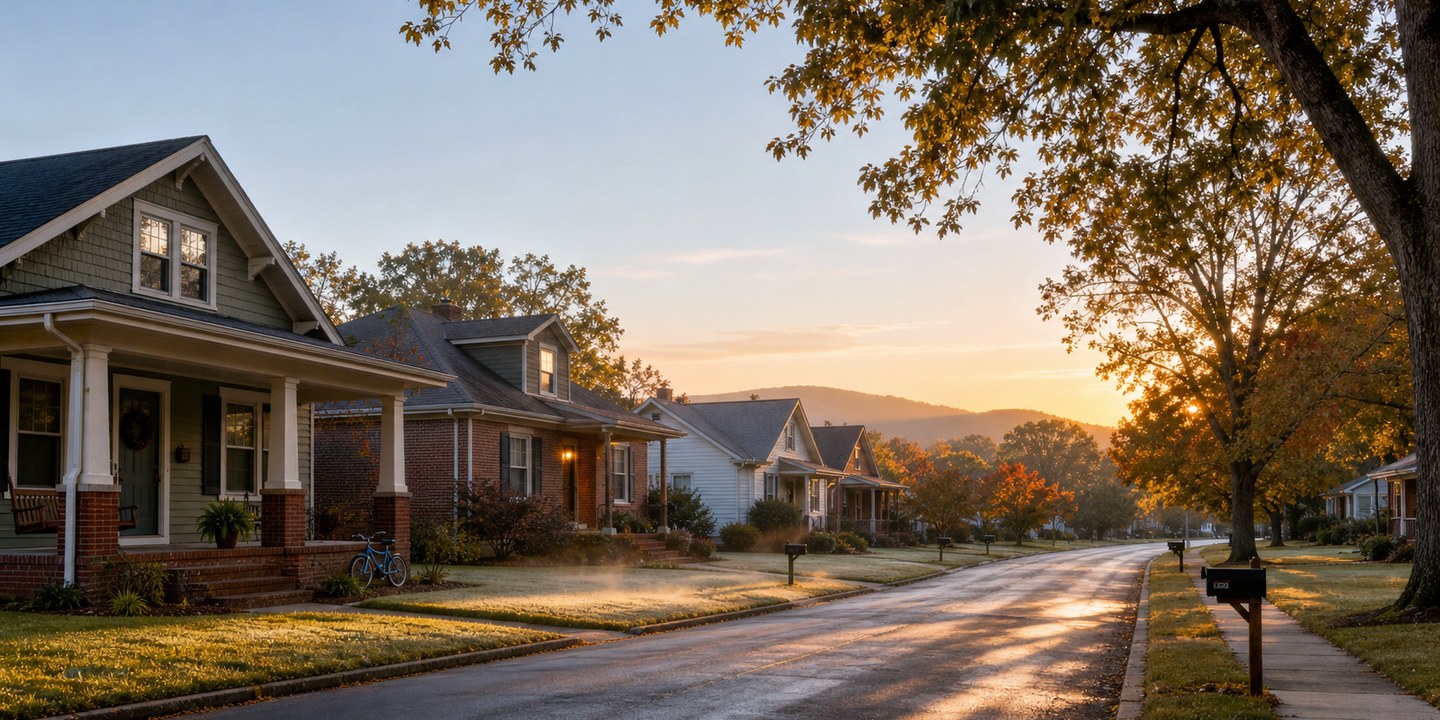
every door starts a story
WHAT IT IS
Gap housing isn’t being funded
This isn’t a shelter. It isn’t permanent supportive housing. This is the short-term, structured home in between that’s badly needed but isn’t being funded by any major programs.
TIMELINE

1 week to 6 months
Stays are short and
structured. Residents
move toward an
independent lease, not
into permanence.
TARGET POPULATIION

One population per house
Veterans. Elderly on fixed
income. Working adults
rebuilding credit. Pick a
lane per house: don’t try to be all things to all people.
NETWORK

Five roles, one house
No single nonprofit runs a
Gap House. Five distinct roles coordinate together formalized in a written multi-party agreement.
PROGRAM DUES

Participants pay weekly
Residents pay a weekly
fee that covers their program dues and provides them access to housing.
EXISTING ASSETS

Distributed, existing inventory
Avoid the NIMBY problem by spreading the houses out. We leverage existing homes rather than needing to build new.
3-4 bed
AVg. gap house size
3 mo
AVG. PARTICIPANT STAY
5
PARTNERS PER HOUSE
THE MODEL
Every house needs five partners
Each role serves a separate and distinct need. One House serves to connect them all seamlessly.
COORDINATION LAYER

The framework, playbook, software, and matchmaking that turn five aligned roles into a self-sustaining house — repeatable by design.
OPERATOR
Case Management
Runs the program with residents. Handles intake, placement, accountability, and stabilization.
WRAPAROUND
community support
Practical and emotional support: meals, transportation, mentorship, encouragement. Often churches and civic groups.
CAPITAL
impact investors
Investors fund property acquisition through a structured fund. Responsible returns and local impact.
SPECIALISTS
Service providers
Clinical, employment, recovery, financial, and legal specialists, brought in when residents need them.
MAINTENANCE
PROPERTY MANAGEMENT
Handles the building: maintenance, repairs, finances. Keeps case managers focused on people, not plumbing.
Who it serves
This is who gap housing is built for
People with stable, demonstrable income but housing barriers — credit, background, recent housing history — that standard rentals won't take.

example
Meet
Marcus
, 52.
Marcus is a veteran, two years past his discharge, working steady part-time hours with a HUD-VASH voucher in hand. On paper his income was solid — but a thin credit file and a recent gap in his housing history kept landlords from saying yes. He moved into one of our four-bedroom Gap Houses, run by a case management partner who specializes in working with veterans.
WEEKLY FEE
$185
RESPONSIBLE SHARE
$35 / week
LENGTH OF STAY
4.5 months
Where your gift goes
Recurring gifts don’t pay rent.They help start the next house.
Participants do the work. Your monthly gift sponsors access to a seat in a classroom and access to network of partners.

the legal framework
The multi-party agreement that ties five role-holders into a working house. This allows mission-aligned partners to collaborate without needing years of trust built to open a house.

partner matching
Connecting case management
nonprofits, faith communities, and
mission-aligned investors to the right
population, at the right time, on terms that hold. The slow, unfunded
coordination layer.

the next house
Every dollar of capacity-building support seeds the one after this one. Once a house is operational, it sustains itself. Your recurring gift supports the opening of houses, not their maintenance.

Why we KNOW THIS WORKS
Our prototype is already working.
An informal version of this model exists today that houses an estimated five to ten percent of Madison County's unsheltered population. This version needs improvements in it’s legal and economic frameworks to scale nationally.
Give monthly
A recurring gift is a building block.
$25, $50, $100, or your own number. Cancel anytime. Tax-deductible.
The network
Partners we work with
Case management nonprofits and network affiliates already aligned with this gap housing mission. We’re adding new organizations all the time.
FAQ
Questions worth answering.
Where does my monthly gift actually go?
How is this different from a shelter?
Why monthly instead of one-time?
Are my gifts tax deductible?
crisis
housing
Fill the gap between crisis and home.
Short-term housing built through community partnership. Recurring gifts fund setup and stabilization.
every door starts a story
WHAT IT IS
Gap housing isn’t being funded
This isn’t a shelter. It isn’t permanent supportive housing. This is the short-term, structured home in between that’s badly needed but isn’t being funded by any major programs.
TIMELINE
1 week to 6 months
Stays are short and
structured. Residents
move toward an
independent lease, not
into permanence.
TARGET POPULATIION
One population per house
Veterans. Elderly on fixed
income. Working adults
rebuilding credit. Pick a
lane per house: don’t try to be all things to all people.
NETWORK
Five roles, one house
No single nonprofit runs a
Gap House. Five distinct
roles coordinate together formalized in a
written multi-party
agreement.
PROGRAM DUES
Participants pay weekly
Residents pay a weekly
fee that covers their program dues and provides them access to housing.
EXISTING ASSETS
Distributed, existing inventory
Avoid the NIMBY problem by spreading the houses out. We leverage existing homes rather than needing to build new.
3-4 bed
AVg. gap house size
3 mo
AVG. PARTICIPANT STAY
5
PARTNERS PER HOUSE
THE MODEL
Every house needs five partners
Each role serves a separate and distinct need. One House serves to connect them all seamlessly.
OPERATOR
Case Management
Runs the program with residents. Handles intake, placement, accountability, and stabilization.
WRAPAROUND
community support
Practical and emotional support: meals, transportation, mentorship, encouragement. Often churches and civic groups.
CAPITAL
impact investors
Investors fund property acquisition through a structured fund. Responsible returns and local impact.
SPECIALISTS
Service providers
Clinical, employment, recovery, financial, and legal specialists, brought in when residents need them.
COORDINATION LAYER
The framework, playbook, software, and matchmaking that turn five aligned roles into a self-sustaining house — repeatable by design.
MAINTENANCE
PROPERTY MANAGEMENT
Handles the building: maintenance, repairs, finances. Keeps case managers focused on people, not plumbing.
Who it serves
This is who gap housing is built for
People with stable, demonstrable income but housing barriers — credit,
background, recent housing history — that standard rentals won't take.
example
Meet
Marcus
, 52.
Marcus is a veteran, two years past his discharge, working steady part-time hours with a HUD-VASH voucher in hand. On paper his income was solid — but a thin credit file and a recent gap in his housing history kept landlords from saying yes. He moved into one of our four-bedroom Gap Houses, run by a case management partner who specializes in working with veterans.
WEEKLY FEE
$185
RESPONSIBLE SHARE
$35 / week
LENGTH OF STAY
4.5 months
LONG-TERM PLACEMENT
Studio apartment
Where your gift goes
Recurring gifts don’t pay rent.They help start the next house.
Resident fees and impact investor capital cover the cost of running a house once it’s open. You monthly gift funds the part that helps get it open in the first place and provide staff to coordinate services for partipants.
the legal framework
The multi-party agreement that ties five role-holders into a working house. This allows mission-aligned partners to collaborate without needing years of trust built to open a house.
partner matching
Connecting case management
nonprofits, faith communities, and
mission-aligned investors to the right
population, at the right time, on terms that hold. The slow, unfunded
coordination layer.
the next house
Every dollar of capacity-building support seeds the one after this one. Once a house is operational, it sustains itself. Your recurring gift supports the opening of houses, not their maintenance.
Why we KNOW THIS WORKS
A prototype is already working
An informal version of this model exists today that houses an estimated five to ten percent of Madison County's unsheltered population. This version needs improvements in it’s legal and economic frameworks to scale nationally.
Give monthly
A recurring gift is a building block.
$25, $50, $100, or your own number. Cancel anytime. Tax-deductible.
The network
Partners we work with
Case management nonprofits and network affiliates already aligned with this gap housing mission. We’re adding new organizations all the time.
FAQ
Questions worth answering.
Where does my monthly gift actually go?
How is this different from a shelter?
Why monthly instead of one-time?
Are my gifts tax deductible?